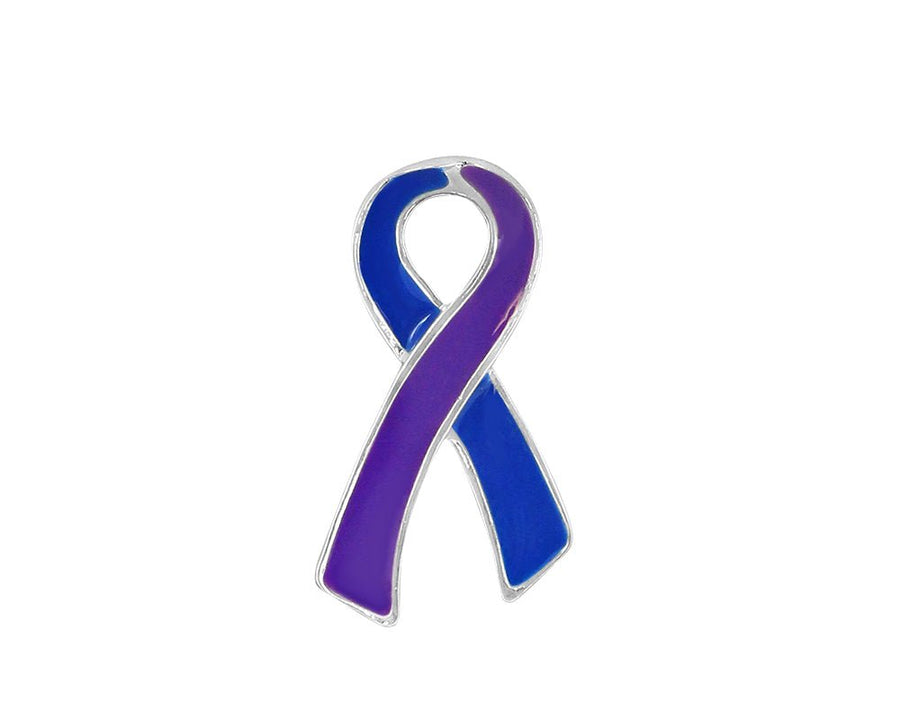
Blue & Purple Awareness Ribbons: Understanding Pediatric Stroke, Juvenile Arthritis & Rheumatoid Arthritis
Awareness ribbons are more than just accessories—they are visual reminders of causes that need attention, research, and compassion. The blue and purple ribbon represents several health conditions, including Pediatric Stroke, Juvenile Arthritis, and Rheumatoid Arthritis. While each condition is unique, they all impact quality of life and require long-term care and support.
This guide answers common questions about these conditions and explains how awareness efforts can make a real difference.
What is a Pediatric Stroke?
Pediatric stroke occurs when blood flow to a child’s brain is interrupted, either by a blockage (ischemic stroke) or bleeding (hemorrhagic stroke). Although commonly associated with adults, strokes can happen at any age—even before birth.
Key Facts:
- Occurs in infants, children, and teens
- Often misdiagnosed due to lack of awareness
- Can lead to lifelong disabilities
Common Symptoms:
- Sudden weakness on one side of the body
- Seizures (especially in infants)
- Difficulty speaking or understanding speech
- Severe headaches
Early detection is critical. Increasing awareness helps parents and caregivers recognize symptoms sooner, improving outcomes.
What is Juvenile Arthritis?
Juvenile Arthritis (JA) is a term used to describe autoimmune and inflammatory conditions that develop in children under the age of 16. It causes joint pain, swelling, and stiffness.
Key Facts:
- One of the most common childhood chronic illnesses
- Can affect growth and development
- Symptoms may come and go
Common Symptoms:
- Joint swelling and pain
- Morning stiffness
- Fatigue
- Reduced mobility
Children with JA often face challenges both physically and emotionally, making awareness and support especially important.
What is Rheumatoid Arthritis?
Rheumatoid Arthritis (RA) is a chronic autoimmune disorder that primarily affects joints but can also impact other parts of the body.
Key Facts:
- Affects adults, but can begin at any age
- Causes inflammation in joints
- Can lead to joint damage if untreated
Common Symptoms:
- Joint pain and swelling
- Fatigue
- Fever
- Loss of joint function over time
RA is often misunderstood as just “arthritis,” but it is a serious systemic condition requiring ongoing care.
Why is Awareness Important?
Awareness leads to:
- Earlier diagnosis
- Better treatment outcomes
- Increased funding for research
- Stronger support communities
When more people recognize symptoms and understand these conditions, it reduces stigma and improves quality of life for those affected.
Frequently Asked Questions
Q1: Why are blue and purple ribbons used for these conditions?
Blue and purple are commonly associated with health awareness campaigns, symbolizing strength, courage, and resilience. These colors are used to unify multiple related causes under a shared message of support.
Q2: How can I support these causes?
You can support by:
- Wearing awareness pins
- Participating in fundraising events
- Sharing educational content
- Donating to research organizations
Even small actions can make a big difference.
Q3: Are these conditions curable?
Currently, there is no cure for Pediatric Stroke, Juvenile Arthritis, or Rheumatoid Arthritis. However, treatments are available to manage symptoms and improve quality of life.
Q4: Who is most at risk for Pediatric Stroke?
Risk factors include:
- Congenital heart conditions
- Blood disorders
- Infections
- Trauma
However, pediatric strokes can sometimes occur without a clear cause.
Q5: Can children outgrow Juvenile Arthritis?
Some children may experience remission, but others may have symptoms into adulthood. Early treatment improves long-term outcomes.
Q6: How is Rheumatoid Arthritis diagnosed?
Doctors use a combination of:
- Blood tests
- Imaging (X-rays, MRIs)
- Physical exams
Early diagnosis is key to preventing joint damage.
Q7: What is the biggest challenge for people living with these conditions?
Common challenges include:
- Chronic pain
- Fatigue
- Limited mobility
- Emotional and mental health struggles
Support systems play a crucial role in managing these challenges.
Q8: How do awareness pins help?
Awareness pins:
- Spark conversations
- Show visible support
- Help unify communities
- Promote fundraising efforts
They act as small but powerful tools for advocacy.
Q9: What should I do if I suspect a child is having a stroke?
Seek emergency medical help immediately. Time is critical, and early treatment can significantly improve outcomes.
Q10: How can businesses or organizations get involved?
Organizations can:
- Host awareness events
- Provide educational resources
- Partner with nonprofits
- Distribute awareness products
These efforts help expand reach and impact.
Q11: Are there lifestyle changes that help manage arthritis?
Yes, including:
- Regular low-impact exercise
- Healthy diet
- Stress management
- Consistent medical care
These can help reduce symptoms and improve quality of life.
Q12: Why is pediatric awareness especially important?
Children often cannot fully communicate symptoms, leading to delayed diagnosis. Awareness helps adults recognize warning signs earlier.
Q13: How can I talk to others about these conditions?
Start with simple facts, share personal stories if relevant, and encourage empathy and understanding.
Q14: What role does fundraising play?
Fundraising supports:
- Medical research
- Patient support programs
- Awareness campaigns
It’s essential for advancing treatment and care.
Q15: Where can I learn more or get involved?
Look for reputable health organizations, advocacy groups, and community events dedicated to these causes.
Final Thoughts
Blue and purple ribbon awareness pins represent more than conditions—they represent people, families, and communities working toward better understanding and support. By raising awareness for Pediatric Stroke, Juvenile Arthritis, and Rheumatoid Arthritis, we can help drive change, improve outcomes, and build stronger support systems for those affected.