
4 products
Childhood Cancer Necklaces for Fundraising and Awareness
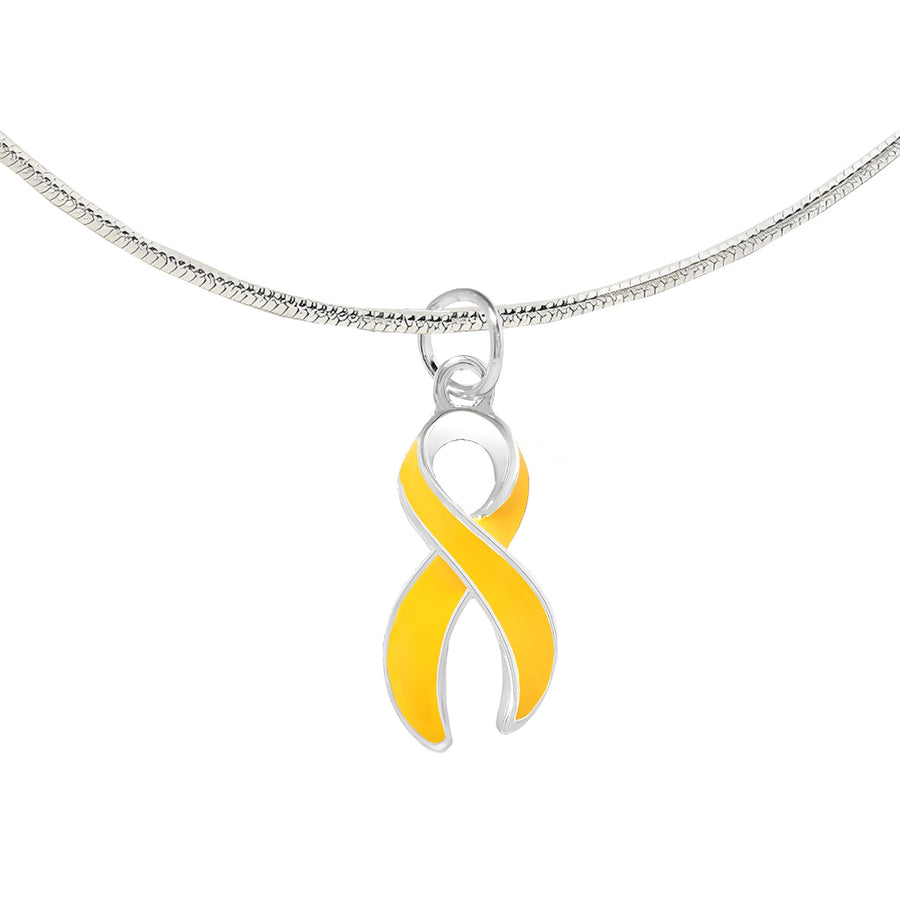
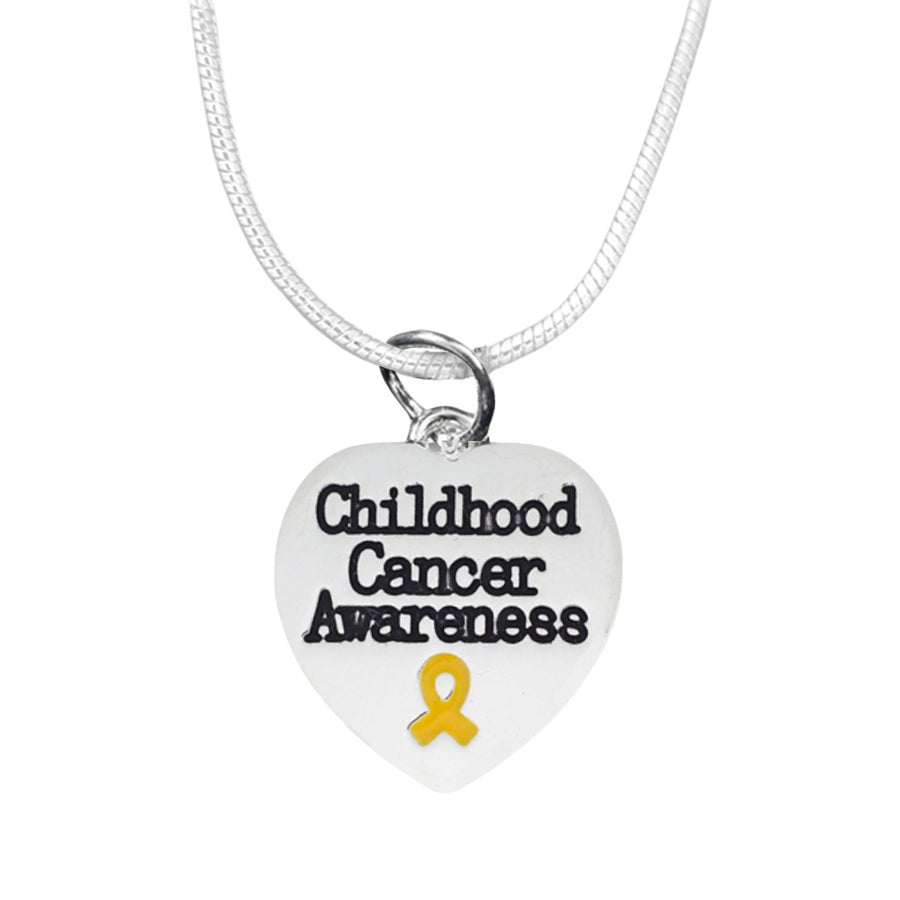
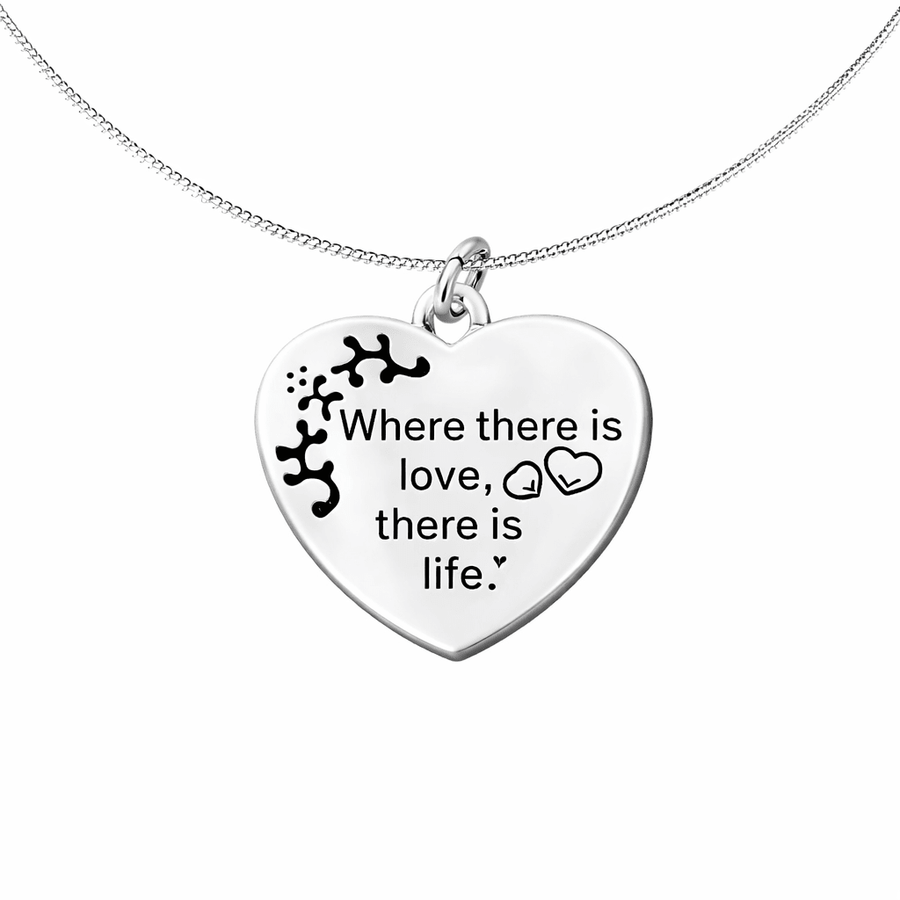
Welcome to FundraisingForACause.com’s Childhood Cancer Necklaces Collection, the premier destination for meaningful gold awareness necklaces that support the fight against Childhood Cancer. Whether you’re organizing a charity event, school fundraiser, community awareness campaign, or purchasing in bulk or wholesale quantities, our Childhood Cancer necklaces help spread hope, raise funds, and bring attention to a disease that impacts families worldwide. Each necklace is crafted with purpose — a wearable reminder of courage, unity, and the ongoing effort to support children affected by Childhood Cancer.
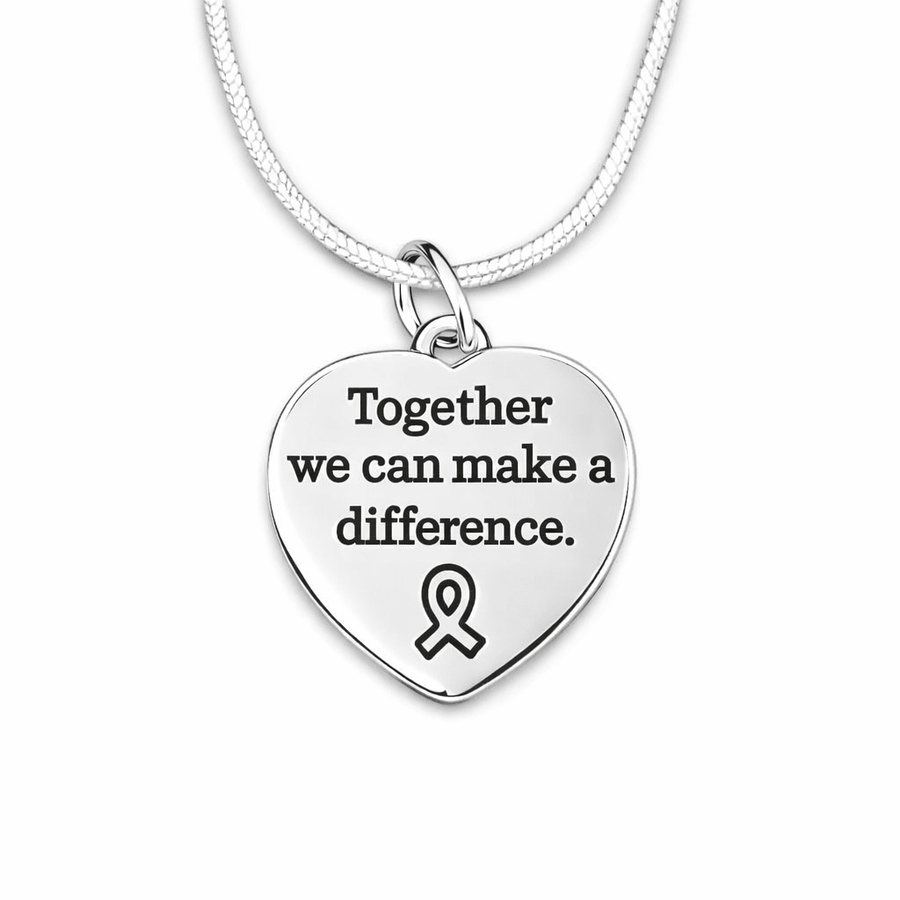 Domestic Violence Awareness Together We Can Make A Difference Heart Necklace
From $12.99 - $143.75
View
Childhood Cancer Necklaces – Gold Awareness Necklaces for Fundraising & Bulk Orders
The Complete Guide to Childhood Cancer Necklaces: Awareness, Fundraising, Bulk & Wholesale Strategies
Understanding Childhood Cancer and the Need for Awareness
Childhood Cancer refers to cancers that occur in infants, children, and adolescents. This disease differs from adult cancers in type, behavior, and treatment response. Though Childhood Cancer is less common than adult cancers, it carries profound impacts on families, communities, and healthcare systems.
Every year, thousands of children face diagnoses that require intensive treatment and long hospital stays. For many families, the journey includes emotional stress, financial strain, and the need for long-term support.
Awareness campaigns are vital because they:
-
Increase funding for research and clinical trials
-
Support pediatric oncology programs
-
Educate the public and reduce stigma
-
Empower communities to take action
Necklaces — especially gold Childhood Cancer awareness necklaces — are not only beautiful gifts, they are powerful advocacy tools that spark conversation and support fundraising goals.
Why Choose Childhood Cancer Necklaces for Fundraising?
Awareness jewelry, like necklaces, serves multiple purposes:
• Wearable Advocacy
When someone wears a Childhood Cancer necklace, they become a walking ambassador for the cause.
• Emotional Connection
Necklaces carry deep symbolism and personal meaning for survivors, families, and supporters.
• High Perceived Value
Compared to small items, necklaces are premium products that can justify higher fundraising prices.
• Versatile Use
Perfect for:
-
Charity events
-
Fundraising galas
-
School awareness campaigns
-
Corporate CSR initiatives
-
Team fundraisers
When you purchase Childhood Cancer necklaces in bulk or at wholesale rates, you multiply your fundraising potential while reducing cost per item.
The Symbolism of Gold in Childhood Cancer Awareness
Gold is the internationally recognized color for Childhood Cancer awareness. It represents:
-
The precious value of every child
-
Strength and courage during treatment
-
Hope for better treatments and cures
-
Unity among families, advocates, and supporters
The gold ribbon, now iconic, translates beautifully into jewelry designs — especially necklaces that can be worn close to the heart.
Bulk & Wholesale Childhood Cancer Necklaces – What You Need to Know
If your goal is large-scale impact, buying Childhood Cancer necklaces in bulk or at wholesale pricing is essential. Doing so offers several benefits:
1. Lower Cost Per Unit
Bulk orders significantly reduce the price per necklace — valuable for fundraisers and nonprofit budgets.
2. Better Fundraising Margins
With wholesale pricing, you can set suggested donation levels that yield higher returns for your cause.
3. Consistent Inventory
Buying in bulk ensures you have enough stock for:
-
Events
-
Awareness months
-
School campaigns
-
Corporate sales
4. Easy Event Planning
Bulk inventory allows for pre-event preparation, packaging, and coordinated promotions without last-minute shortages.
Wholesale Childhood Cancer necklaces are ideal for:
-
Nonprofit organizations
-
School districts and clubs
-
Pediatric hospital foundations
-
Corporate social responsibility initiatives
-
Community fundraisers and awareness walks
Creative Ways to Use Childhood Cancer Necklaces in Fundraising
1. Charity Awareness Events
Offer necklaces in registration packs or as thank-you gifts for donors.
2. School Fundraising Drives
Students and families can sell necklaces to raise funds for research.
3. Corporate Awareness Programs
Companies can order wholesale necklaces to distribute to employees or clients during Childhood Cancer Awareness Month.
4. Bundled Fundraiser Packages
Pair necklaces with:
-
Bracelets
-
Charms
-
Keychains
-
Stickers
-
Ribbon pins
Bundles increase average donation amounts and appeal to more donors.
5. Survivor Honor Gifts
Give necklaces to survivors, families, and caregivers as meaningful recognition of their journey.
How Necklaces Build Lasting Awareness
Unlike flyers or banners, necklaces are worn repeatedly. Every time someone wears a Childhood Cancer necklace:
-
They spark conversations
-
They reinforce community awareness
-
They promote your fundraising brand
-
They serve as daily reminders of support
Each piece of awareness jewelry helps expand visibility beyond the initial fundraiser.
Planning a Successful Childhood Cancer Necklace Fundraiser
Step 1: Define Your Fundraising Goal
Decide how much you aim to raise — whether it’s for research funding, family support, or hospital programs.
Step 2: Choose Necklace Styles
Select necklaces that resonate with your audience — classic gold pendants, engraved messages, ribbon motifs, or layered designs.
Step 3: Order in Bulk/Wholesale
Ensure inventory is sufficient for your campaign timeline.
Step 4: Set Suggested Donation Amounts
Wholesale pricing lets you set donation suggestions that balance affordability and fundraising returns.
Step 5: Promote Across Channels
Use social media, emails, newsletters, posters, and local media to spread your campaign message.
Step 6: Share Impact Stories
Donors connect emotionally when they hear how funds support real families affected by Childhood Cancer.
Making the Most of Childhood Cancer Awareness Month
September is Childhood Cancer Awareness Month, the prime time to launch or amplify fundraising campaigns. Popular activities include:
-
Walks & runs
-
Awareness rallies
-
School campaigns
-
Corporate charity days
-
Social media awareness challenges
During this month, gold necklaces — especially purchased in bulk or wholesale — are popular fundraising incentives that drive engagement and donations.
Frequently Asked Questions About Childhood Cancer Necklaces
1. What do Childhood Cancer necklaces represent?
Childhood Cancer necklaces symbolize awareness, hope, and unity in support of children and families affected by Childhood Cancer. The gold color represents strength, resilience, and the precious value of every child.
2. Why should I buy necklaces in bulk?
Buying Childhood Cancer necklaces in bulk significantly lowers the cost per unit and increases fundraising profit margins. Bulk purchasing ensures you have enough inventory for large events, charity walks, and awareness months.
3. Are wholesale Childhood Cancer necklaces available?
Yes — wholesale pricing is available for nonprofits, schools, hospitals, corporate groups, and community organizations planning large-scale awareness or fundraising campaigns.
4. How can necklaces be used for fundraising?
Necklaces can be sold for suggested donations, included in event registration packs, offered as sponsor gifts, or bundled with other awareness items to increase donation amounts.
5. When is Childhood Cancer Awareness Month?
Childhood Cancer Awareness Month is observed every September — an ideal time to launch fundraising campaigns featuring gold awareness necklaces.
6. Who purchases Childhood Cancer necklaces?
-
Nonprofit organizations
-
Schools & youth groups
-
Hospitals & foundations
-
Corporate CSR teams
-
Parents and families
-
Community groups
7. Are awareness necklaces good gifts for survivors?
Yes — gold Childhood Cancer necklaces make meaningful gifts for survivors, caregivers, and supporters, representing strength and community solidarity.
8. Can necklaces be packaged with other products?
Absolutely. Necklaces pair well with bracelets, keychains, charms, stickers, and ribbon pins to create comprehensive fundraising bundles that boost donations.
Final Thoughts: Wear Hope. Share Courage. Support the Fight Against Childhood Cancer.
Childhood Cancer necklaces are powerful advocacy tools that blend purpose with style. Whether worn daily, gifted to supporters, or distributed at events, gold awareness necklaces keep the message of hope — and the mission to support families — front and center.
Purchasing in bulk or at wholesale pricing ensures that your campaign is both cost-effective and impactful. Every necklace worn spreads awareness, touches a heart, and brings us closer to breakthroughs in research and treatment.
👉 Explore our Childhood Cancer necklaces collection today and turn meaningful jewelry into lasting support for families affected by Childhood Cancer.