
Pink Ribbon Patches for Breast Cancer Awareness (1)
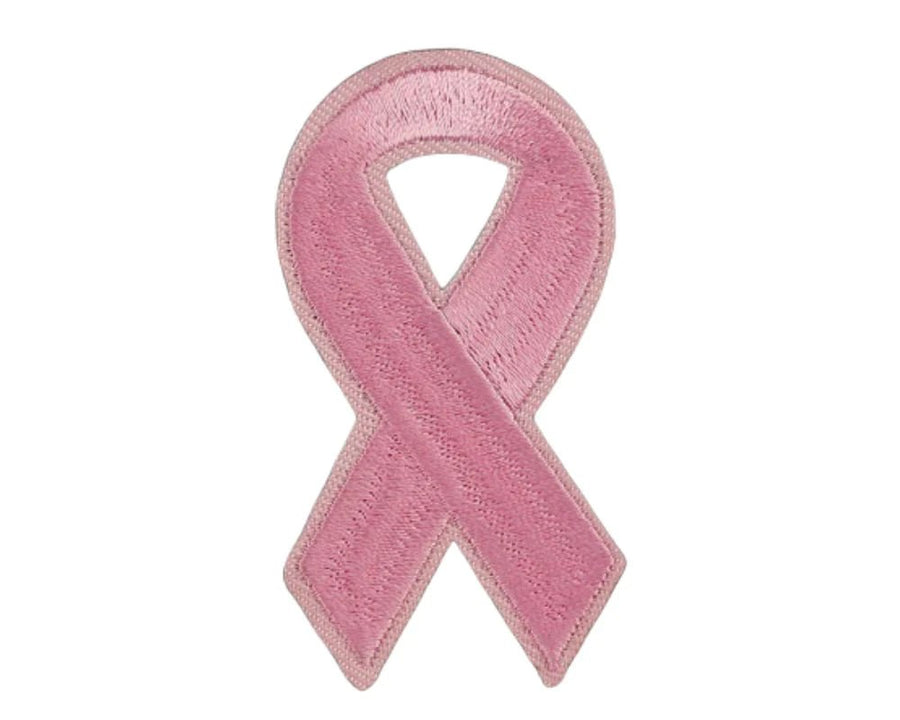
Pink ribbon patches are durable, visible breast cancer awareness items that allow supporters to proudly display their commitment to the cause on clothing, uniforms, bags, and accessories. Commonly used by schools, sports teams, organizations, and community groups, breast cancer awareness patches provide a lasting way to honor survivors, remember loved ones, and support fundraising efforts. Whether sewn or ironed onto apparel, pink ribbon patches help turn everyday items into meaningful symbols of hope and solidarity.
Loading more products...
Pink Ribbon Patches for Breast Cancer Awareness, Fundraising & Events
Why Patches Are Powerful Awareness Symbols
Patches have long been used to represent identity, causes, and shared purpose. When combined with the pink ribbon symbol, patches become powerful breast cancer awareness tools that can be worn and displayed for years. Unlike temporary items, pink ribbon patches offer long-term visibility, making them ideal for uniforms, jackets, backpacks, hats, and sports gear.
Because patches are often placed on frequently used items, they help keep breast cancer awareness visible in everyday life—at school, work, events, and in the community.
What Are Pink Ribbon Patches?
Pink ribbon patches are embroidered or fabric patches featuring the breast cancer awareness ribbon or pink-themed designs. They are designed to be sewn or ironed onto clothing and accessories.
They are commonly used to:
-
Show support for breast cancer awareness
-
Customize uniforms or team apparel
-
Support fundraising campaigns
-
Honor survivors and loved ones
-
Create unity at events and programs
Their durability makes them one of the longest-lasting awareness products available.
How Pink Ribbon Patches Support Fundraising
Breast cancer awareness patches are effective fundraising items because they combine emotional meaning with long-term use. Organizations often sell patches individually or include them as part of fundraiser kits or awareness bundles.
Fundraising benefits include:
-
Low cost per unit
-
Long lifespan and repeat visibility
-
Strong appeal for teams and uniforms
-
Easy bulk ordering and distribution
-
High perceived value
Patches are especially popular for schools, sports teams, scouting groups, and organizations that use uniforms or branded apparel.
Who Uses Breast Cancer Awareness Patches?
Pink ribbon patches are commonly used by:
-
Schools and PTAs
-
Sports teams and athletic programs
-
Nonprofits and charities
-
Youth organizations and clubs
-
Churches and community groups
-
Individuals customizing personal apparel
Their versatility allows them to be used across many age groups and settings.
Patches for Teams, Uniforms & Group Events
Pink ribbon patches are often used to create a unified look for teams and groups participating in breast cancer awareness events. Adding patches to uniforms, jackets, or bags helps visually reinforce the cause while maintaining a professional appearance.
Teams may wear awareness patches during special games, tournaments, or Breast Cancer Awareness Month activities to show collective support.
Breast Cancer Awareness Month and Patches
October is Breast Cancer Awareness Month, making it the most popular time for pink ribbon patches. During this period, schools, teams, and organizations often distribute or sell patches as part of awareness campaigns.
However, patches are designed for year-round use and are often worn long after October—helping maintain ongoing awareness and support.
How Patches Help Spread Awareness Organically
Because patches are permanently attached to clothing or gear, they provide ongoing exposure wherever the wearer goes. This long-term visibility naturally sparks conversations and reinforces awareness messages over time.
Patches worn at events, competitions, and in public settings are often photographed and shared online, extending awareness beyond the immediate audience.
Frequently Asked Questions About Pink Ribbon Patches
What are pink ribbon patches?
Pink ribbon patches are embroidered or fabric patches featuring the breast cancer awareness ribbon, designed to be sewn or ironed onto clothing and accessories.
Are pink ribbon patches good for fundraising?
Yes. Patches are durable, meaningful, and appealing to teams and organizations, making them effective fundraising items.
Where can breast cancer awareness patches be used?
They can be placed on jackets, uniforms, backpacks, hats, bags, and other fabric surfaces.
Who should use pink ribbon patches?
Schools, sports teams, nonprofits, churches, youth groups, and individuals can all use breast cancer awareness patches.
When are pink ribbon patches most commonly used?
They are most popular during Breast Cancer Awareness Month in October but are worn year-round.
Do patches really help spread awareness?
Yes. Their long-term visibility and durability help keep breast cancer awareness present in everyday life.
Just think of what you can create with pink ribbon breast cancer awareness sew-on and iron-on patches. Add a breast cancer awareness patch to a baseball cap, golf shirt, uniform, jacket, a book bag, tote bag and more. You can put a pink ribbon patches on all the shirts of the members on your walking team to show your support. These patches are a simple and elegant way for you to promote breast cancer awareness.